Market Segments / Aerospace & Defense

Aerospace & Defense

Zero margin for error.Aerospace and defense components for sealing and flow control

In flight-critical aerospace and defense applications, leakage and downtime are not options. SFC KOENIG expander plugs, flow restrictors and check valves deliver lightweight, high-integrity sealing and flow control.

Hidden inside. Critical everywhere.

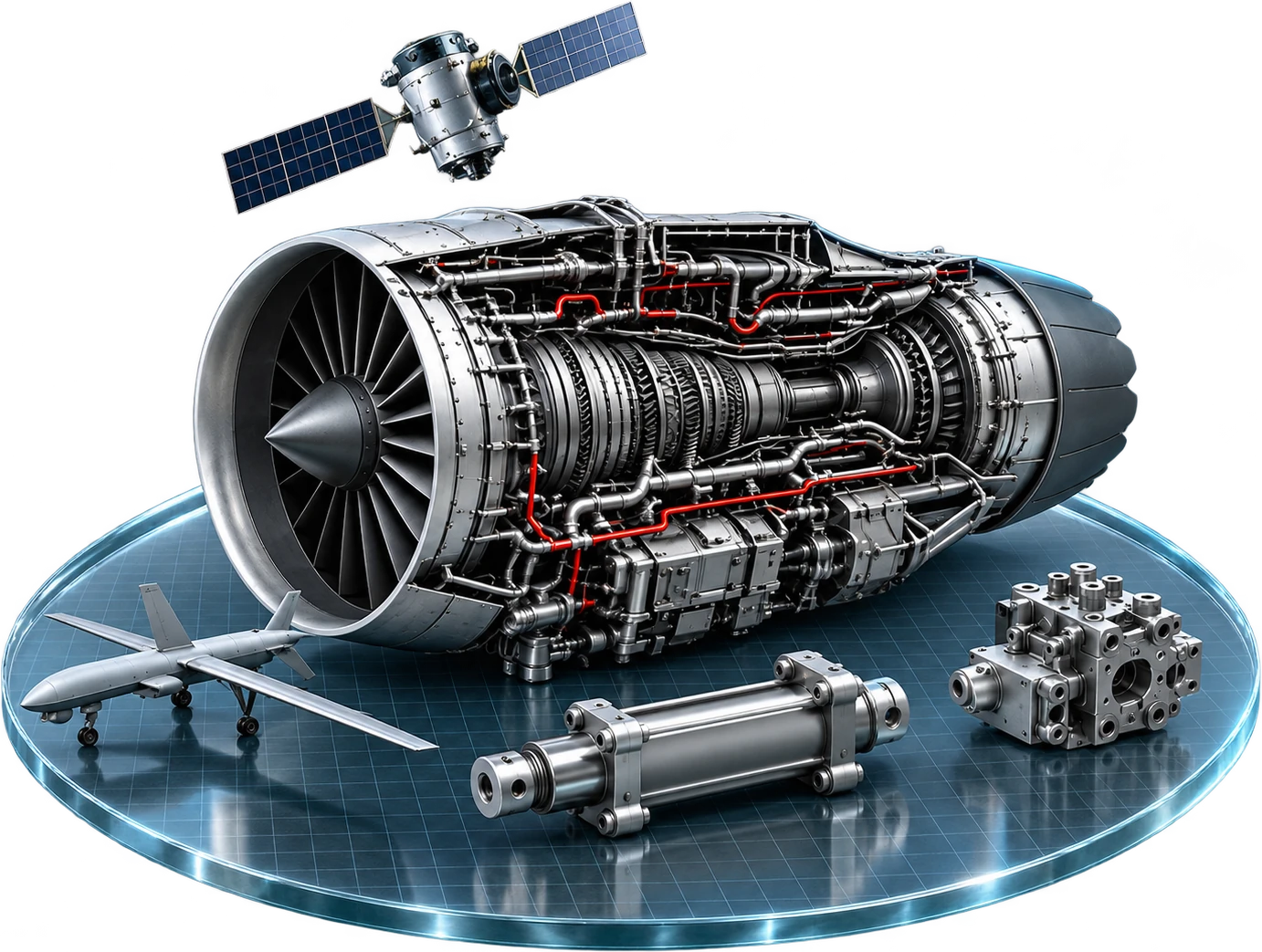
Jet engine cutaway with satellite and hydraulic components for aerospace and defense sealing and flow control

Two demanding worlds, one engineering standard

Commercial space production is rising, new defense and autonomous-aircraft concepts are taking shape and commercial aviation is working through long order backlogs. At the same time, decarbonization is reshaping propulsion, and digital engineering is becoming the standard. For engineering teams this means: reduce assembly effort, integrate components early and manage certification risk from the very first design review.

Commercial space

Growing production rates for satellites and reusable launch vehicles.

Our answer: Compact sealing solutions for high-performance space applications.

Aviation backlog

High build rates demand efficient, repeatable assembly.

Our answer: Repeatable assembly at volume.

Decarbonization

New fuels and propulsion concepts need validated fluid control.

Our answer: Fluid control designed for validation.

Digital engineering

CAD data and technical specs early in the design process.

Our answer: CAD data early in design.

Defense investment is increasing, land vehicles are getting heavier and mild hybridization is entering the field. Hydraulic suspension, transmissions and powerpacks remain central to vehicle performance. Long program cycles make one thing essential: early technical specification, because the components chosen in the design phase stay in the platform for decades.

Rising investment

Modernization programs across land, air and sea platforms.

Our answer: Proven sealing and flow control that scales with programs.

Heavier vehicles

Higher loads on suspension, driveline and hydraulics.

Our answer: Compact sealing for hydraulic pressures up to 500 bar.

Mild hybridization

New cooling and fluid circuits in hybrid powertrains.

Our answer: Flow control for new cooling and fluid circuits.

Long program cycles

Early specification decides for the whole service life.

Our answer: Specification support from the first design review.

The challenges we solve with you

Less assembly, same reliability

Reducing assembly and machining effort without compromising reliability.

Extreme space conditions

Designing for extreme vibration, vacuum and thermal shock in space applications.

New fuels and technologies

Validating fuel and fluid-control architectures for new aviation fuels and technologies.

Traceability

Meeting strict traceability and material-documentation expectations.

Early source control

Securing components early in the engineering and source-control process.

Beyond the catalog

Developing application-specific solutions where catalog products are insufficient.

Harsh operating conditions

Maintaining reliable hydraulic performance in harsh operating conditions.

Down to −50 °C

Supporting low-temperature operation, including requests around −50 °C.

Vibration and noise

Withstanding demanding vibration and noise environments.

Full traceability

Meeting full traceability and customer-specific audit requirements.

Engineering vs. purchasing

Balancing engineering performance with purchasing requirements.

Early specification

Achieving early specification into long-running vehicle programs.

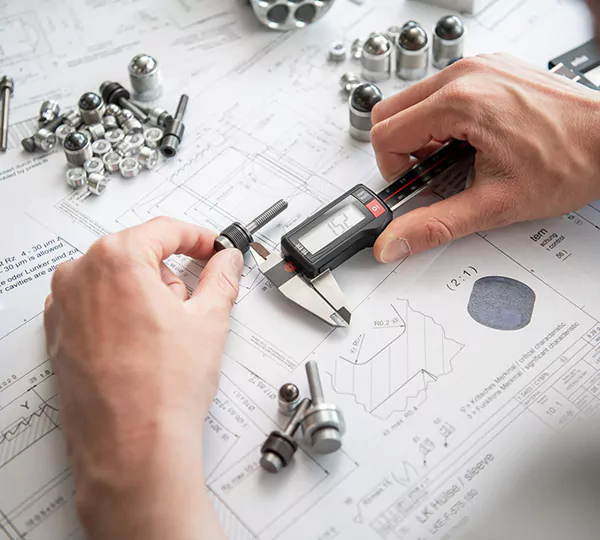
Engineer measuring a KOENIG expander sealing plug with a caliper on a technical drawing

Start an aerospace or defense application review with our engineers.

From first sketch to series production

1

Application review

We look at fluid, pressure, temperature, vibration, material and traceability requirements together with your team.

2

Standard or custom

We check which standard expander, restrictor or check valve fits, or where an application-specific development makes sense.

3

CAD and technical data

You get CAD models and technical specifications for your digital design workflow.

4

Testing and validation

Application-specific pressure, leakage, vibration and media testing.

5

Series supply

Documented, traceable supply for series production, with one-step installation where applicable.

What our components do in your system

Aircraft hydraulics and defense applications

How does an aircraft hydraulic system work? Engine- or electrically driven pumps pressurize hydraulic fluid, typically to 3,000 psi (around 207 bar), in newer aircraft up to 5,000 psi. The fluid moves flight controls, landing gear, brakes and thrust reversers. Check valves keep the flow in one direction and hold pressure when a pump stops, restrictors limit flow and actuator speed, and sealing plugs close the drilled passages in manifolds and housings. These are the aircraft hydraulic system components where KOENIG parts are used.

Move the mouse over a tile, or tap it, to see more.

Commercial aircraft fluid systems

Aerospace

Commercial aircraft fluid systems

Aircraft hydraulics, fuel and environmental control circuits in commercial aircraft.

Spacecraft & reusable launchers

Aerospace

Spacecraft & reusable launchers

Components for vibration, vacuum and thermal-shock conditions.

Fuel, lubrication & thermal management

Aerospace

Fuel, lubrication & thermal management

Aircraft fuel check valves and sealing plugs in fuel, oil and cooling circuits.

Actuation & hydraulic systems

Aerospace

Actuation & hydraulic systems

Flight control actuators, landing gear and hydraulic housings.

Ground support & manufacturing

Aerospace

Ground support & manufacturing

Ground-support and aerospace manufacturing equipment.

Next-generation propulsion

Aerospace

Next-generation propulsion

Alternative fuels and new propulsion concepts in development.

Armored-vehicle suspension

Defense

Armored-vehicle suspension

Hydraulic suspension systems in heavy land vehicles.

Powerpacks & transmissions

Defense

Powerpacks & transmissions

Compact sealing and flow control inside powerpacks and transmissions.

Gearboxes & driveline

Defense

Gearboxes & driveline

Permanent sealing of passages in gearboxes and driveline systems.

Hydraulic actuation

Defense

Hydraulic actuation

Flow restriction and direction control in actuation systems.

Cooling & lubrication

Defense

Cooling & lubrication

Reliable fluid control in cooling and lubrication circuits.

Arctic land systems

Defense

Arctic land systems

Land-based systems exposed to Arctic conditions.

Aircraft check valves, sealing plugs and restrictors

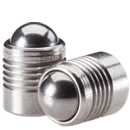
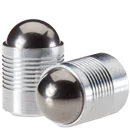
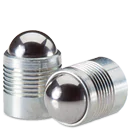
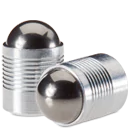
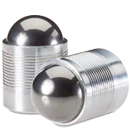
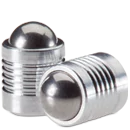
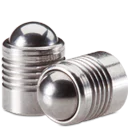
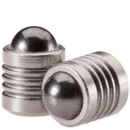
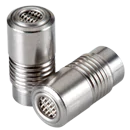
KOENIG EXPANDER Series CV 588, push-type expander sealing plug

KOENIG EXPANDER®

Permanent sealing of drilled fluid passages, installed in one step.

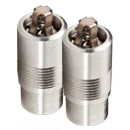
KOENIG RESTRICTOR Series RE, flow restrictor for hydraulic and fuel circuits

KOENIG RESTRICTOR®

Precise flow restriction in hydraulic, fuel and lubrication circuits.

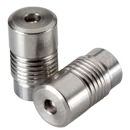
KOENIG CHECK VALVE Series BF 5.5 mm Forward, forward-flow cartridge check valve

KOENIG CHECK VALVE®

Backflow prevention, direction control and contamination protection with filter screens in critical circuits.

Beyond the catalog

Application-specific developments for materials, dimensions and performance, from first idea to series production.

Installation in series production

Setting tools with force and distance control, such as Express 3000/5000, install KOENIG components reliably and repeatably.

Suitable
Products

Certificates, traceability and references

What quality and purchasing teams need for supplier approval, in one place.

Quality certificates

Certified quality and environmental management, e.g. ISO 9001, IATF 16949 and ISO 14001. Details by site: Quality & Certificates.

Traceability

Material certification and traceability documentation for every delivery.

First article inspection

Procedure and documentation for first article requirements.

DFARS assessment

DFARS compliance assessed per part number.

Application-specific testing

Pressure, leakage, vibration and media testing for your operating environment.

CAD and technical data

Downloadable CAD models and technical specifications for your design.

Your partner across the program

At OEMs and tier suppliers, design engineering is the primary technical influence, supported by purchasing, quality, supplier-quality and program teams. Early specification is especially important.

Design engineers

Systems engineers

R&D teams

Manufacturing engineers

Quality & supplier quality

Program teams

Strategic sourcing & buyers

Frequently asked questions

What is a check valve in aviation?

A check valve lets fluid flow in one direction only and blocks the reverse flow. In aircraft it is used in hydraulic, fuel and pneumatic systems, for example to hold pressure in a circuit when a pump stops or to prevent fuel from flowing back. Aircraft check valves have to be compact, light and reliable under vibration and temperature changes.

Pumps driven by the engines or electric motors pressurize hydraulic fluid, typically to 3,000 psi (around 207 bar). The pressurized fluid moves actuators for flight controls, landing gear, brakes and thrust reversers. Valves, restrictors and sealing plugs inside manifolds and housings control direction, flow and tightness of the circuit.

The KOENIG EXPANDER®, KOENIG RESTRICTOR® and KOENIG CHECK VALVE® are used to seal, meter and protect fluid and gas lines in hydraulic, fuel, pneumatic and thermal systems. Compact, lightweight components help reduce weight and installation space.

Every gram and every leak path counts in these systems. Press-in components replace additional seals and fittings, which reduces part count, weight and potential failure points. The result is a more robust and easier to maintain fluid system.

Aerospace and defense programs typically require a certified quality system, full traceability and approved processes. SFC KOENIG clarifies the applicable standards with you at the start of a program.

We support batch traceability, material certificates and controlled change management, as required by your program. Documentation scope is agreed before the first order.

Yes. Programs in this segment often start with small quantities for qualification. We discuss prototype quantities, lead time and pricing logic for small series early, so that your design can move forward without delay.

As early as possible. Components are usually fixed during the design phase, long before series production. Involving us early lets us suggest a suitable solution before the design freezes.

Talk to the right team

Technical questions

Design engineers: discuss pressure, media, temperature, vibration and installation space with our application engineers.

Quality and purchasing

Supplier quality and buyers: request certificates, first article documentation, quotes and delivery information.

Bring us into the design early

Tell us about the fluid, pressure, temperature, vibration, material and traceability requirements of your application.